






Apple used WWDC 2026 to unveil a wide-ranging set of App Store updates aimed at app discovery, subscription monetization, artificial intelligence integration, game development, and child safety. The announcements introduce new tools for developers while also expanding how users discover apps and manage their digital experiences across Apple platforms.
A major focus of this year’s App Store updates is visibility and app marketing. Apple announced new creative formats that will allow developers to showcase apps and games using dedicated images and videos beyond traditional screenshots and app previews. These assets will be eligible to appear in product page headers, search results, App Store editorial placements, custom product pages, and Apple Ads campaigns. To support the rollout, Apple is introducing Asset Library, a centralized hub within App Store Connect where developers can upload, manage, and pre-approve creative assets independently from app updates.

The company is also expanding personalized recommendations through new App Store Collections. These curated recommendations will appear across the Apps, Games, and Search tabs, using download history, app activity, and other App Store signals to surface content tailored to individual users.
Monetization received significant attention during the keynote. Apple announced several new subscription options, including Subscription Bundles that combine multiple subscriptions into a single purchase and Subscription Suites that package services unavailable as standalone offerings. Developers will also gain access to Group Purchases, enabling customers to buy multiple subscription seats and invite others to join, while Volume Purchasing will make subscriptions available through Apple Business Manager and Apple School Manager for enterprise and educational customers.

Apple is further expanding subscription flexibility through monthly plans tied to a 12-month commitment. The option allows users to spread payments across a year while receiving lower monthly pricing. To help developers reduce subscriber churn, Apple is introducing Retention Messaging, which enables customized messages, offers, and subscription reminders to appear when users initiate cancellation.

Artificial intelligence was another key theme across the App Store announcements. Apple is expanding access to its Foundation Models framework, allowing developers to integrate generative AI features directly into apps. Eligible members of the App Store Small Business Program will be able to use next-generation Apple Foundation Models running on Private Cloud Compute without cloud API costs under certain usage thresholds. Apple also announced new coding-agent capabilities in Xcode, designed to automate portions of the development workflow and accelerate app creation.

Game developers received several platform-specific updates. Apple introduced a new StoreKit plug-in for Unity that enables native implementation of in-app purchases across Apple devices through a single project. The company also launched Steam Asset Converter, a tool designed to simplify the migration of game assets from Steam environments to Apple platforms. In addition, publishers will gain new opportunities to highlight discounts, in-game promotions, and limited-time offers within the Apple Games app.

Beyond discovery and monetization, Apple announced new parental control features that will affect how apps are categorized and managed. A new system called Time Allowances, arriving in iOS 27, iPadOS 27, and macOS 27, will allow parents to set usage limits across categories such as Games, Entertainment, and Social Media. As part of this initiative, Apple will update its age-rating process beginning in July 2026, requiring developers to disclose whether their apps contain social media functionality.

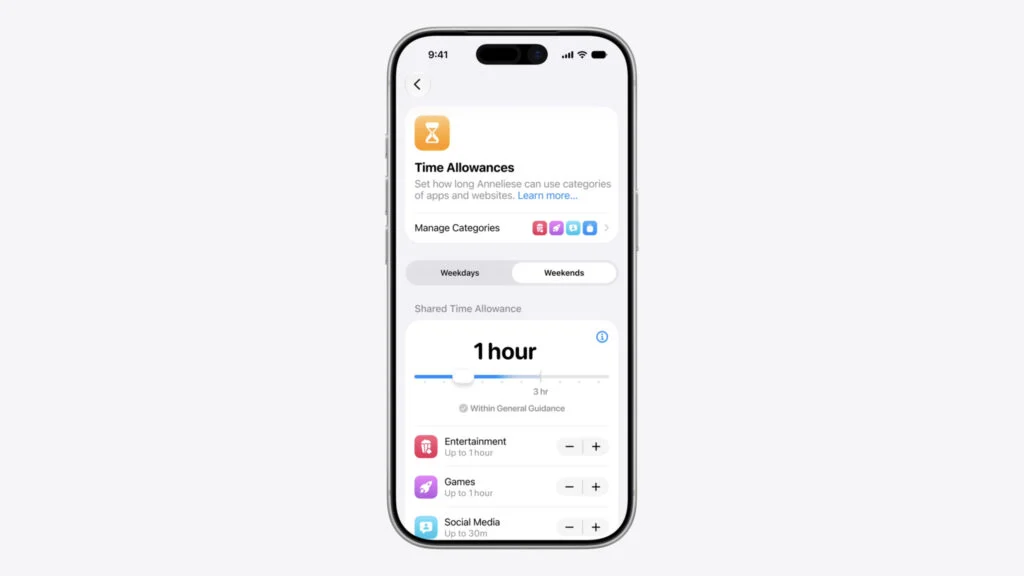
Apps that allow users to distribute, amplify, or interact with user-generated content through social feeds or similar mechanisms will be classified as social media apps and assigned a minimum age rating of 13+. Starting in September 2026, disclosure of social media functionality will become mandatory for new app submissions, app updates, and notarization for alternative app marketplace distribution.
Apple also announced improvements to App Store Connect workflows, expanded support for Apple-hosted background assets, new language-specific asset packs, and the gradual deprecation of On-Demand Resources beginning with iOS 27. The company further confirmed that Universal Purchase apps on the Mac App Store will no longer be required to support Intel-based Macs, reflecting Apple’s continued transition toward Apple Silicon.




Comments
Loading…