






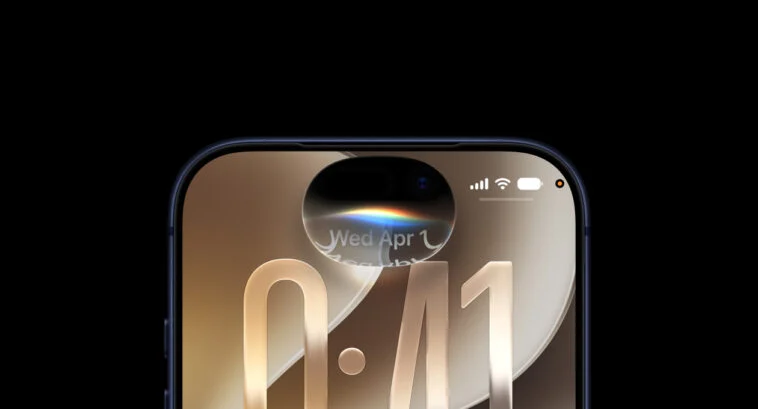
Apple announced iOS 27 during its WWDC 2026 keynote, introducing a new generation of AI-powered experiences centered around a rebuilt Siri, deeper Apple Intelligence integration, performance enhancements, and refinements to the Liquid Glass design language introduced last year. The update is currently available in developer beta and is scheduled for public release later this year.
The headline announcement was Siri AI, a significantly redesigned version of Apple’s virtual assistant. Powered by Apple Intelligence, Siri AI goes beyond traditional voice commands and functions as a conversational assistant capable of understanding natural language, maintaining context across interactions, and responding to more complex requests. Apple said the assistant can access a user’s personal context—including photos, emails, notes, messages, and other on-device content—to retrieve information and complete tasks without requiring users to manually navigate between apps.

The company also expanded Siri’s ability to perform actions across applications. Demonstrations during the keynote showed Siri creating reminders, managing messages, editing photos, controlling media playback, and carrying out tasks in supported apps through a single conversational interface. Apple is also introducing a dedicated Siri app, marking one of the platform’s most significant updates since the assistant’s debut. Siri AI will initially launch in English, with additional language support planned for future releases.
Apple Intelligence is being integrated more deeply across iOS 27. New AI-powered capabilities include writing assistance, proofreading tools, contextual recommendations, image editing features, and content generation tools that work across both Apple and third-party applications. According to Apple, these capabilities are designed to function at the operating system level rather than being restricted to individual apps.
The Photos app is also gaining additional AI functionality. Users will be able to search for images using natural language, locate specific photos more easily, and apply AI-assisted editing tools directly within the application. The updates reflect Apple’s broader strategy of embedding AI features into existing user workflows throughout the operating system.
On the design side, Apple is refining its Liquid Glass interface with improvements aimed at readability and customization. iOS 27 introduces higher contrast elements, sharper icons, and more consistent visual effects across the system. A new customization option will also allow users to adjust the level of transparency in the Liquid Glass design, offering greater control over the interface’s appearance.
Performance optimization remains a key focus of the release. Apple highlighted improvements in memory management, CPU efficiency, display rendering, search responsiveness, and overall system performance. The company said these changes are intended to deliver a faster and more responsive experience while also improving battery efficiency.
Several core apps are receiving updates as part of the release. Messages, Phone, Camera, and CarPlay are all gaining new features designed to streamline everyday interactions. Among the additions are support for encrypted RCS messaging in Messages and deeper Siri integration within the Camera app through a new Siri-powered mode for voice-driven controls.
Privacy continues to be a central component of Apple’s AI strategy. The company said many Apple Intelligence features rely on on-device processing whenever possible, while maintaining privacy protections when cloud-based AI capabilities are required. Expanded child safety features are also included in the update.
With iOS 27, Apple is making artificial intelligence a core part of the iPhone experience. Rather than positioning AI as a standalone product, the company is embedding intelligent features throughout the operating system, with Siri AI serving as the primary interface connecting users to apps, information, and device functionality. The update is expected to launch publicly alongside Apple’s next iPhone lineup later this year.




Comments
Loading…