



 Sophie Blake
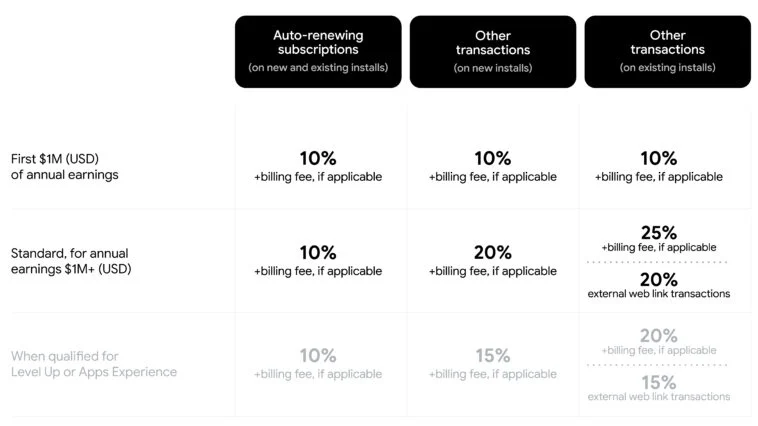
Google is moving forward with one of the most significant changes to the Play Store’s business model, allowing developers in selected markets to offer alternative payment systems alongside Google Play Billing beginning June 30. The update introduces broader billing flexibility while reshaping how service fees are calculated across the Android ecosystem.
Under the new framework, developers participating in Google’s expanded billing programs will be able to process digital purchases through their own payment systems or direct users to external websites for transactions. Users will also see new payment choice screens designed to provide greater visibility into available checkout options.
The rollout will initially cover the United States, the United Kingdom, and several European markets, marking the next phase of a broader effort announced earlier this year. Google previously outlined plans to separate Play Store service fees from billing fees, creating a structure that differentiates platform access from payment processing services.
The changes stem from commitments Google made following its legal dispute with Epic Games and subsequent antitrust scrutiny surrounding Android app distribution and in-app payments. As part of that process, the company agreed to expand developer choice, support alternative payment methods, and introduce lower fees for eligible developers and apps.
Google says developers will continue to have access to Play Store services such as distribution, security protections, discovery tools, and payment infrastructure, while gaining additional flexibility in how transactions are managed. The company is also introducing incentive programs that can further reduce fees for apps and games meeting specific quality, engagement, and platform integration requirements.
For consumers, the update could result in more payment options and potentially different pricing structures depending on the billing method selected by developers. At the same time, Google maintains that Play Billing will remain available and continue supporting hundreds of payment methods across global markets.
The billing overhaul represents a notable shift from Google’s long-standing approach to app payments. For years, developers distributing digital goods through Google Play were generally required to use the company’s billing system. The new model introduces a more open framework that gives developers greater control over monetization while preserving access to Play Store distribution.
As implementation begins this summer, the industry will be watching how developers adopt alternative billing options and whether the revised fee structure influences competition among app marketplaces, payment providers, and mobile platforms in the years ahead.



Comments
Loading…