





LATEST MOBILE MARKETING NEWS
-

Amazon DSP opens access to ChatGPT ads in new U.S. pilot
Amazon Ads is expanding into conversational advertising through a new integration with ChatGPT, allowing select U.S. advertisers to extend campaigns running through Amazon DSP into ad inventory inside OpenAI’s chatbot. The partnership is currently being tested as a U.S. pilot, with Delta Vacations among the first brands participating. Amazon describes conversational advertising as an emerging […] More
-

Apple opens App Store submissions for apps built with iOS 27, macOS 27 and latest SDKs
Apple has started accepting App Store submissions built with the latest versions of its software development kits, allowing developers to submit apps and games prepared for iOS 27, iPadOS 27, macOS 27, tvOS 27, visionOS 27 and watchOS 27. The change comes as Apple prepares to release its latest operating systems to users worldwide. Developers […] More
-
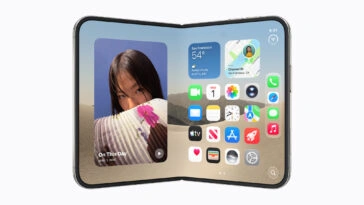
Apple releases developer guidance for building apps for iPhone Duo
Apple has released a new set of developer resources for iPhone Duo, outlining how iOS apps should adapt to the company’s first foldable iPhone and its combination of inner and outer displays ahead of the device’s October launch. Published following the iPhone Duo announcement, the resources include six developer videos, updated Human Interface Guidelines, upcoming […] More
